What Repairs Are Landlords Responsible For? A Birmingham Guide
What repairs are landlords responsible for? Our Birmingham guide covers landlord and tenant duties, plus Property Maintenance and Landlord Repairs help.
Nobody enjoys arguing over who pays for a dripping tap or a loose door handle. If you’re asking what repairs are landlords responsible for, the short answer is the structure, the safety of the property and the essential services. Tenants look after day-to-day care. We’re Thompson’s - Local Handyman Services l Odd Job Man, based in Birmingham B6 and taking calls Monday to Friday 9am to 9pm on 0121 330 2052. This guide explains where the line usually sits, so small problems get sorted instead of left to grow.
What Does a Landlord Have to Fix?
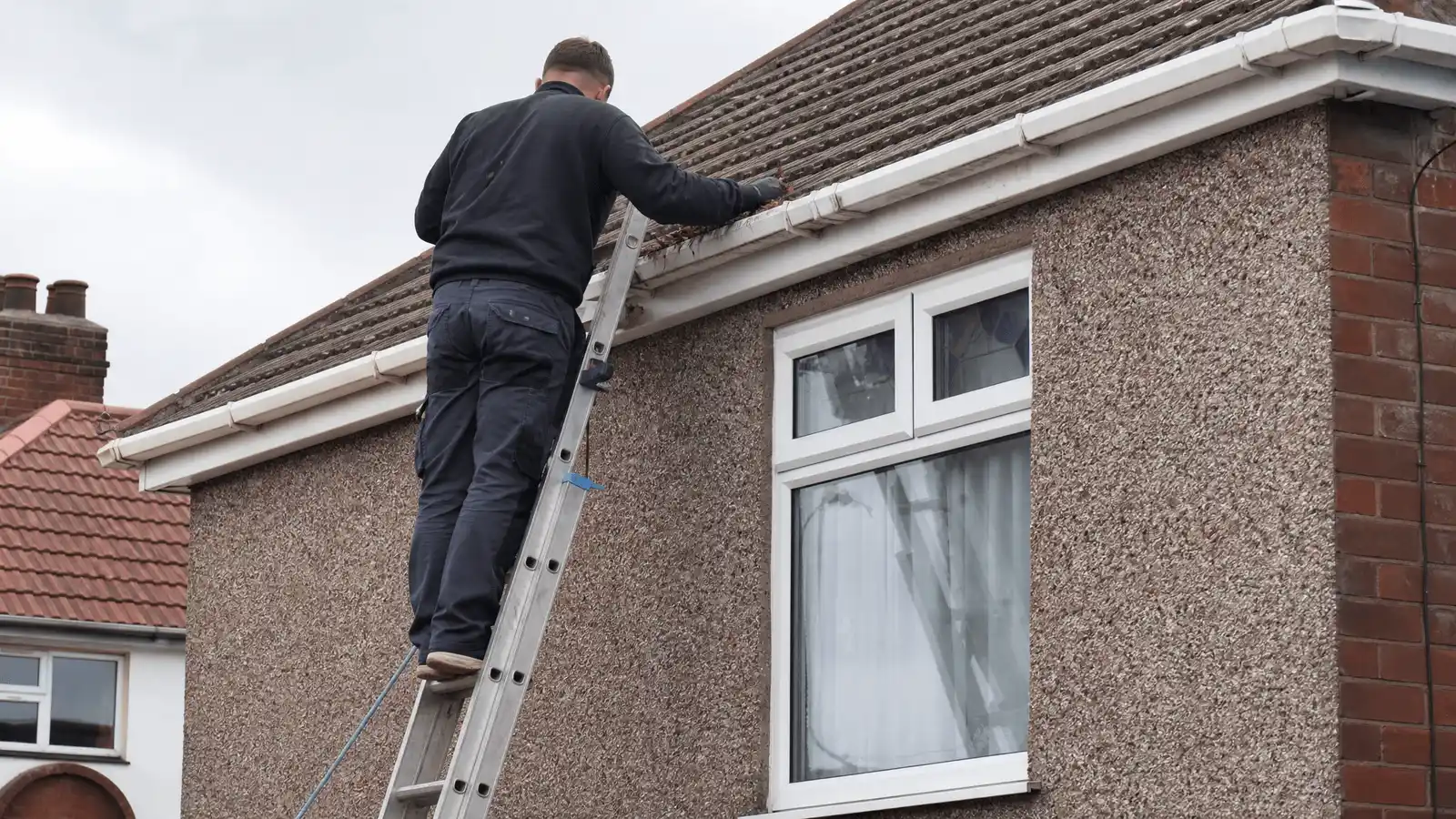
Start with the building itself. A landlord must keep the structure and exterior in good repair, which means the roof, walls, gutters, external doors and window frames. They must also keep the installations for water, gas, electricity, sanitation, heating and hot water working. This comes from section 11 of the Landlord and Tenant Act 1985, which applies to most shorter tenancies in England.
Safety duties sit alongside that:
- Gas appliances need a safety check under the Gas Safety (Installation and Use) Regulations 1998.
- Smoke and carbon monoxide alarms are covered by the Smoke and Carbon Monoxide Alarm (England) Regulations 2015.
- The Homes (Fitness for Human Habitation) Act 2018 requires a rented home to be safe and free from serious hazards, such as damp and mould.
Rules change and no two tenancies are the same, so check GOV.UK for the official position. This guide is not legal advice.
Where Tenant Responsibility Begins
So what falls to you as a tenant? Mostly the small upkeep and sensible use of the property. Typical examples are changing light bulbs, keeping the place ventilated, clearing a blocked sink caused by your own use, and looking after any garden. Damage that you or your guests cause, beyond normal wear and tear, is also yours to put right.
The tenancy agreement matters here. It may spell out who handles minor items such as garden care or replacing batteries in alarms. A clause cannot remove the landlord’s legal repair duties, though.
If you’re unsure, read the agreement first, then check the GOV.UK guidance on repairs.
Landlord or Tenant Repairs: Some Grey Areas
Some jobs sit in the middle, and these cause most of the disagreements:
- Mould and condensation. Mould caused by a leaking roof is the landlord’s problem. Mould from drying washing on radiators with no ventilation is more of a shared discussion. Report it early and in writing.
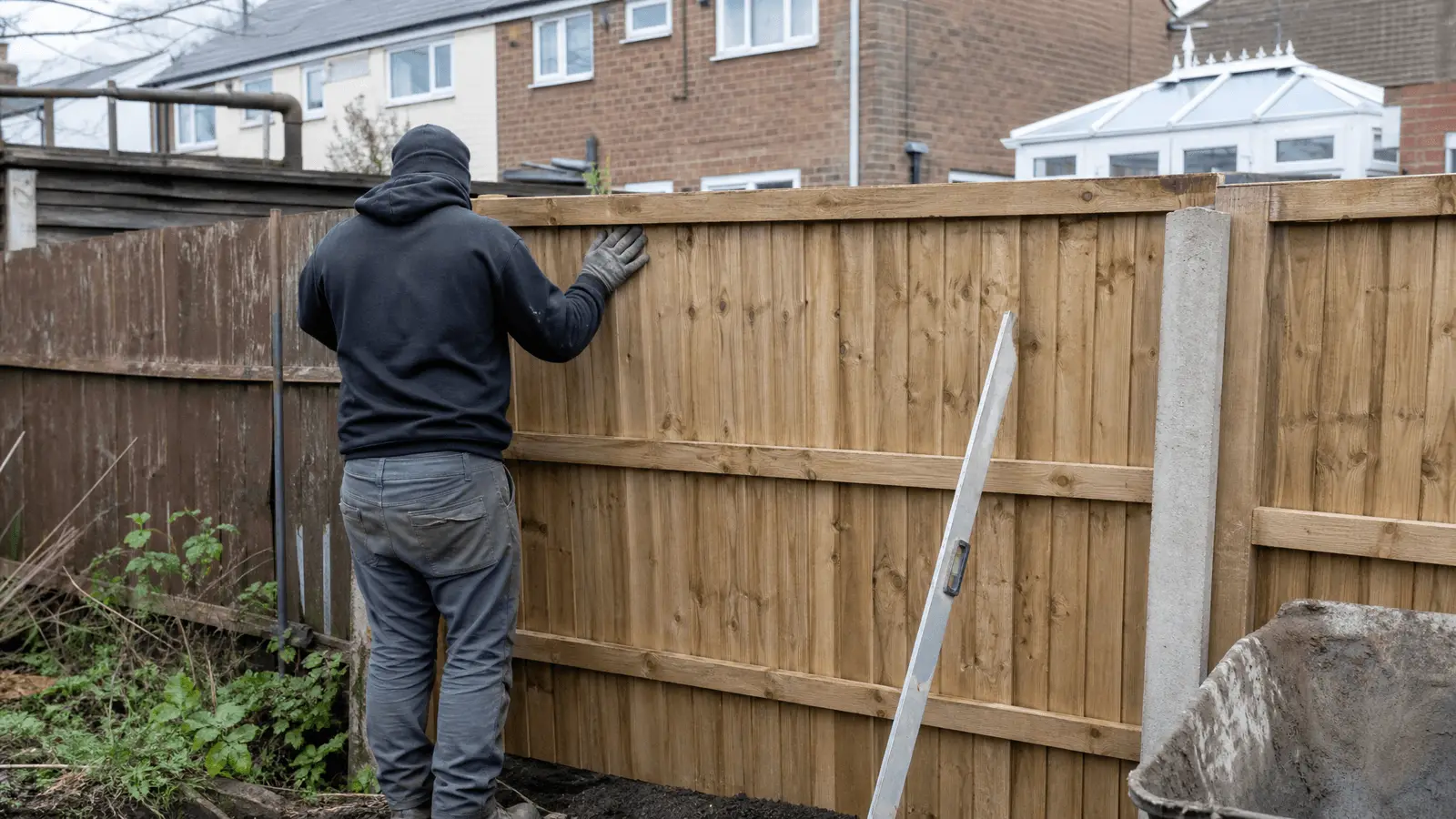
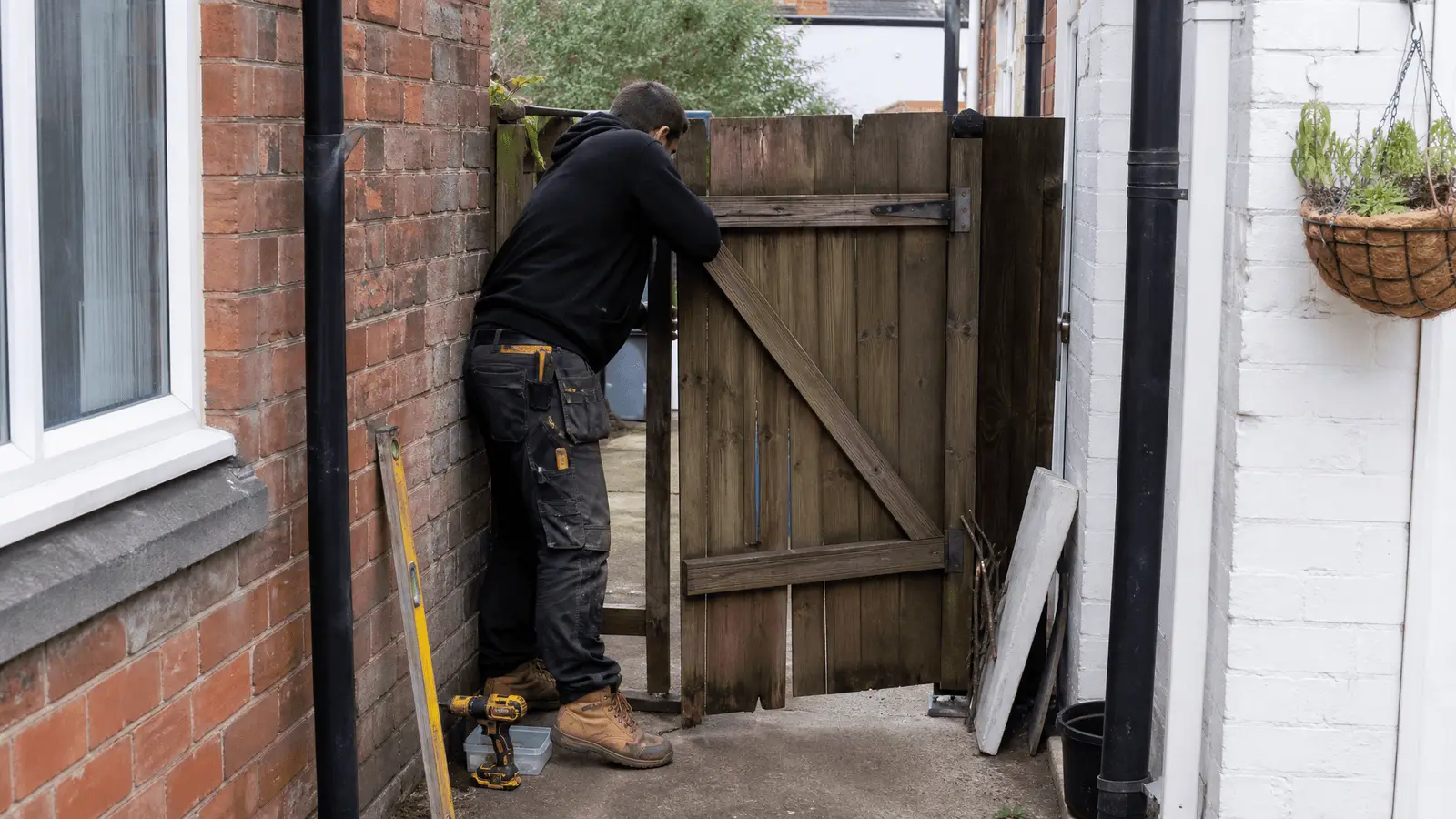
- Fences and boundaries. Responsibility depends on who owns the boundary, which is usually shown in the property’s title deeds, and on what the tenancy says.
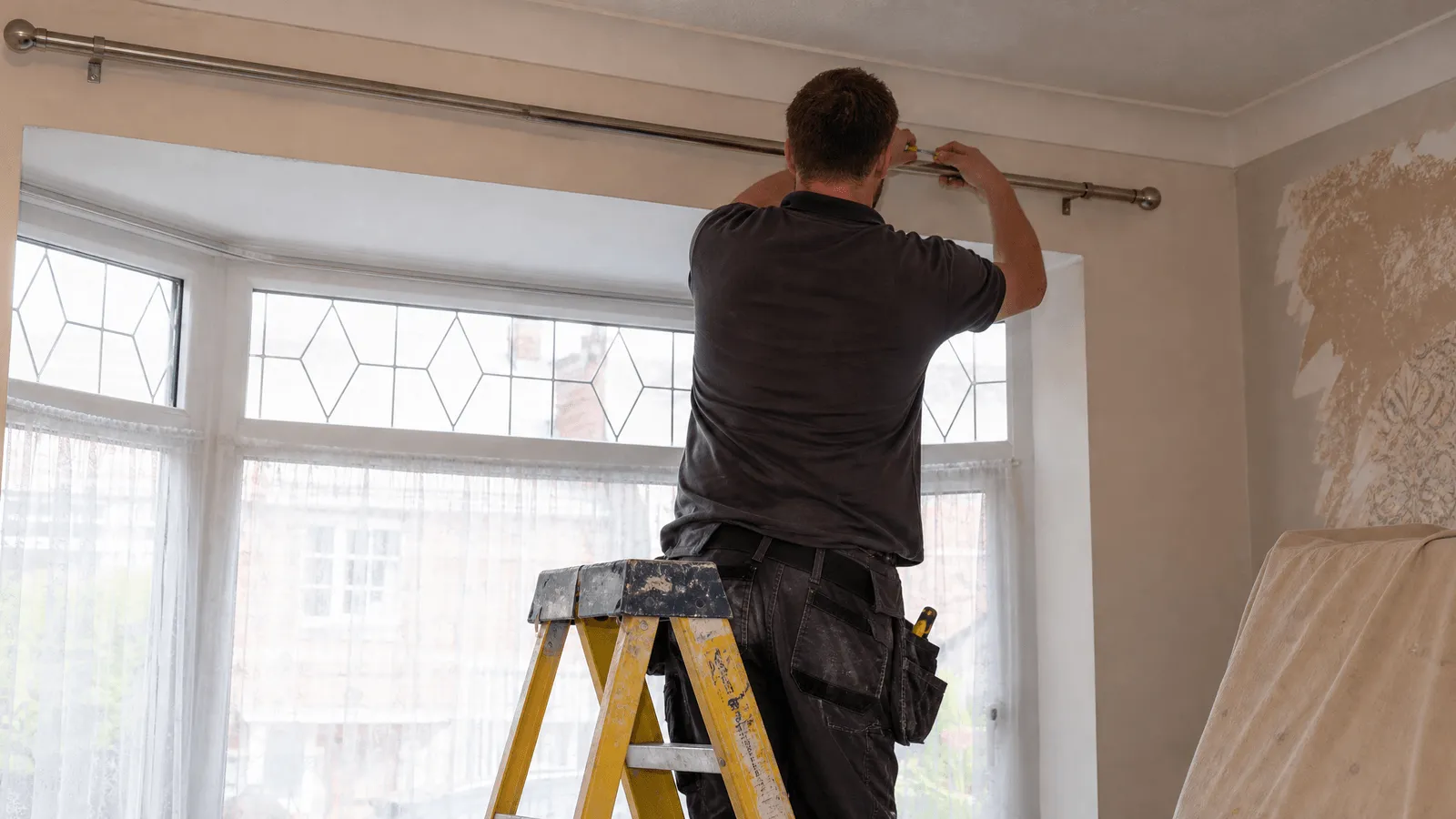
- Fixtures and fittings. Cupboard doors, handles, shelves and curtain poles are often small repairs the landlord is happy to have done cheaply, but your agreement decides who arranges it.
- Pest problems. Who pays depends on the cause and the tenancy terms.
Get the basics right first: report any issue in writing, with photos, and keep a copy.
Repairs Between Tenancies
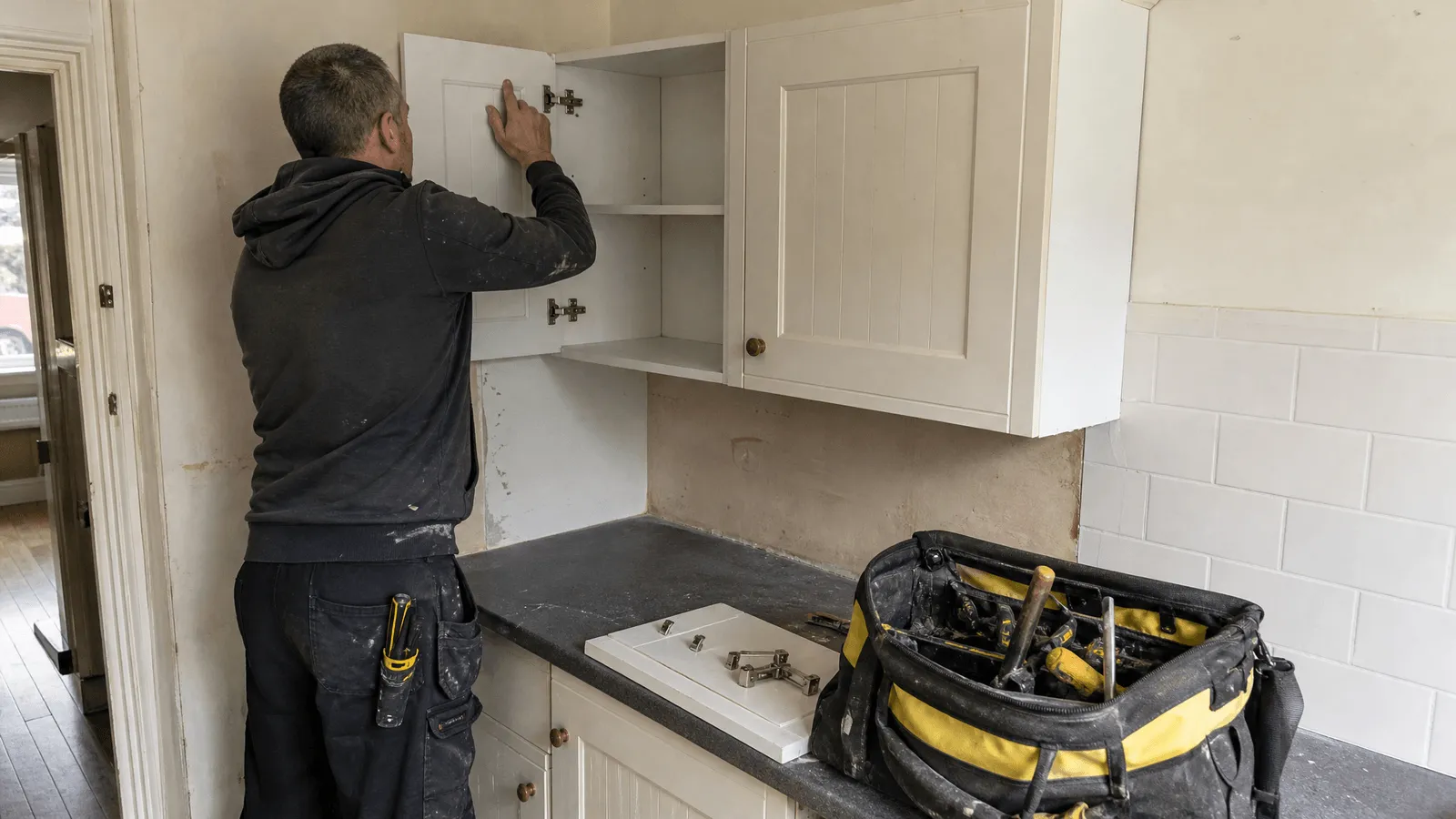
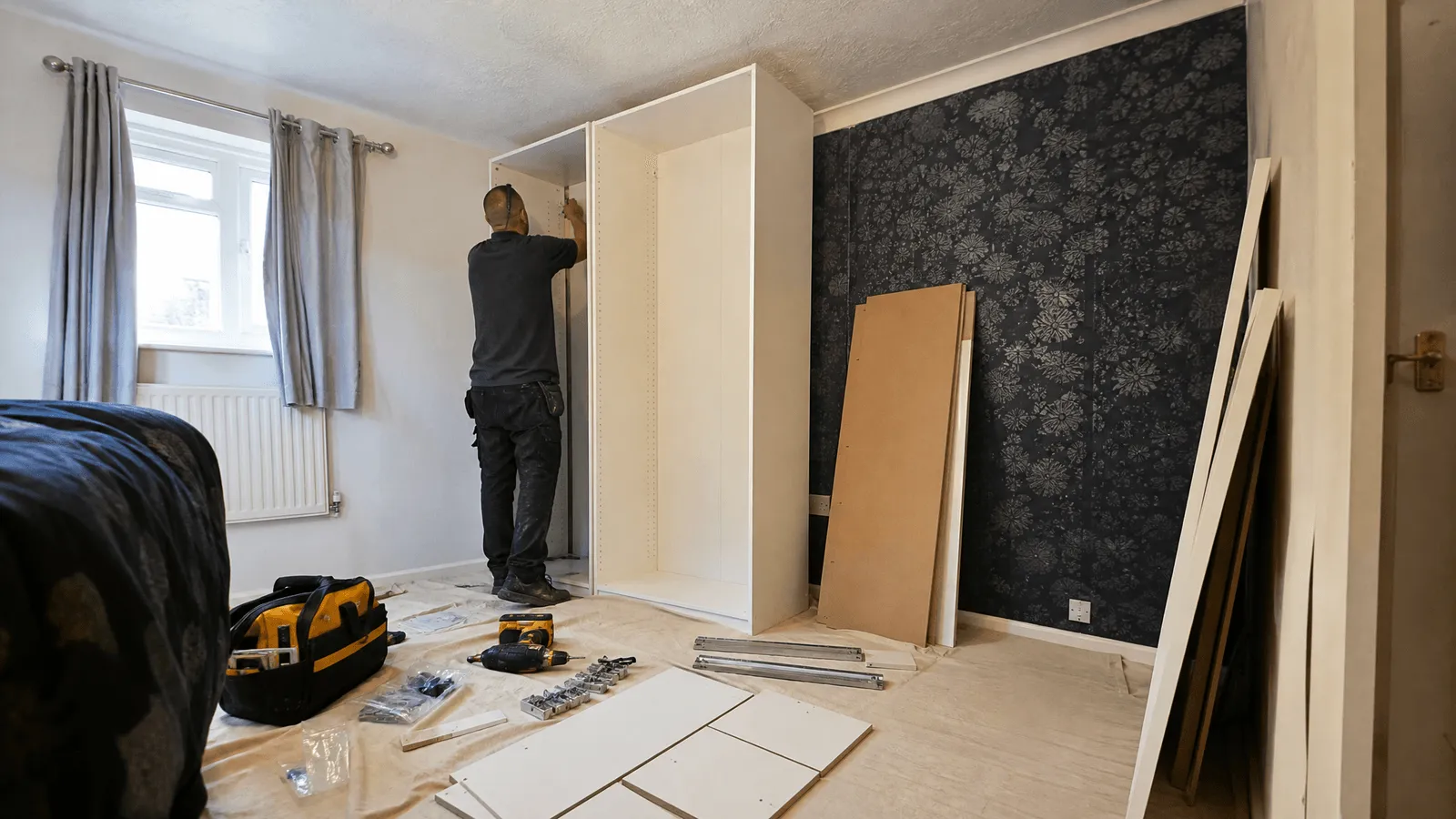
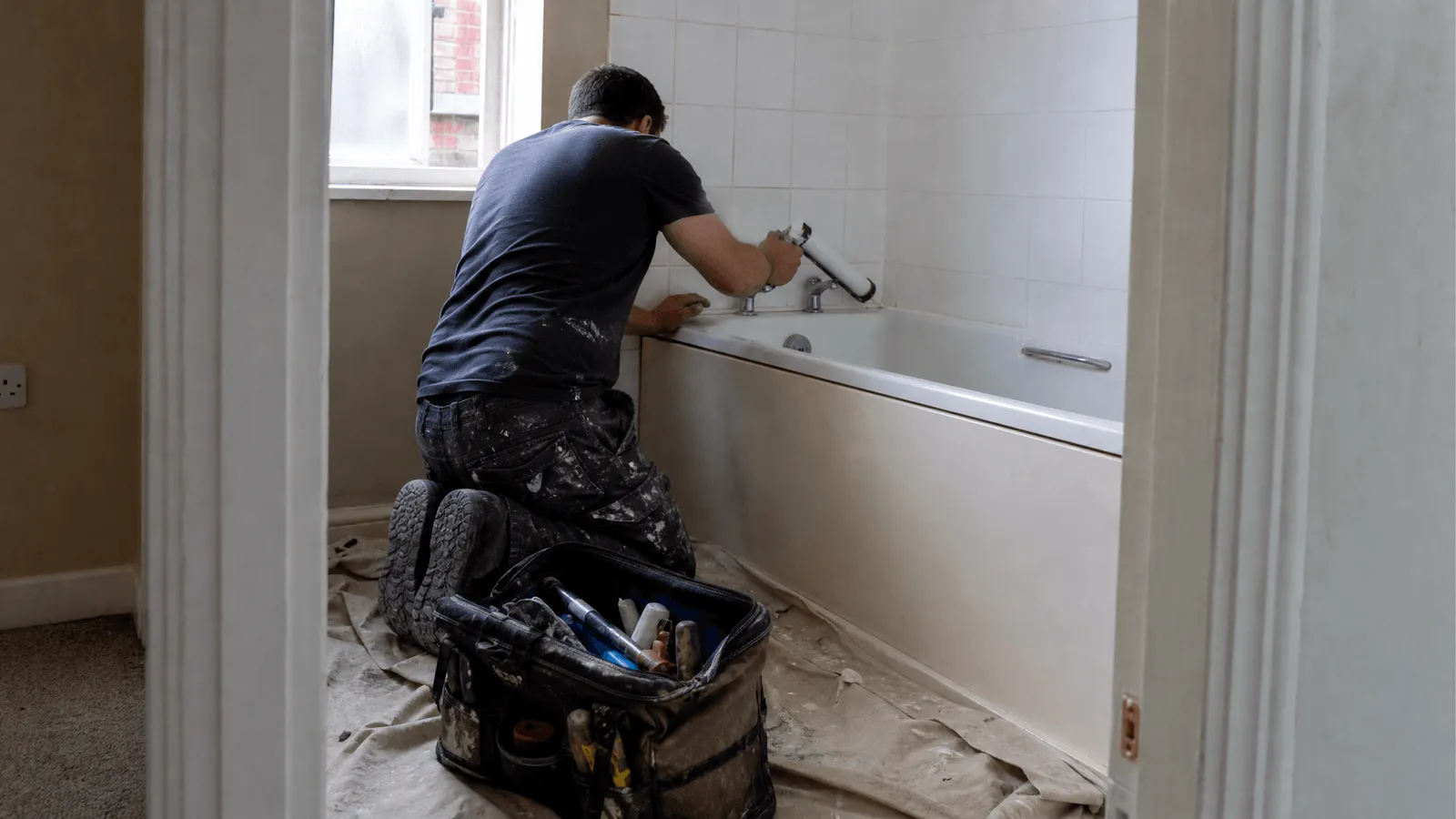
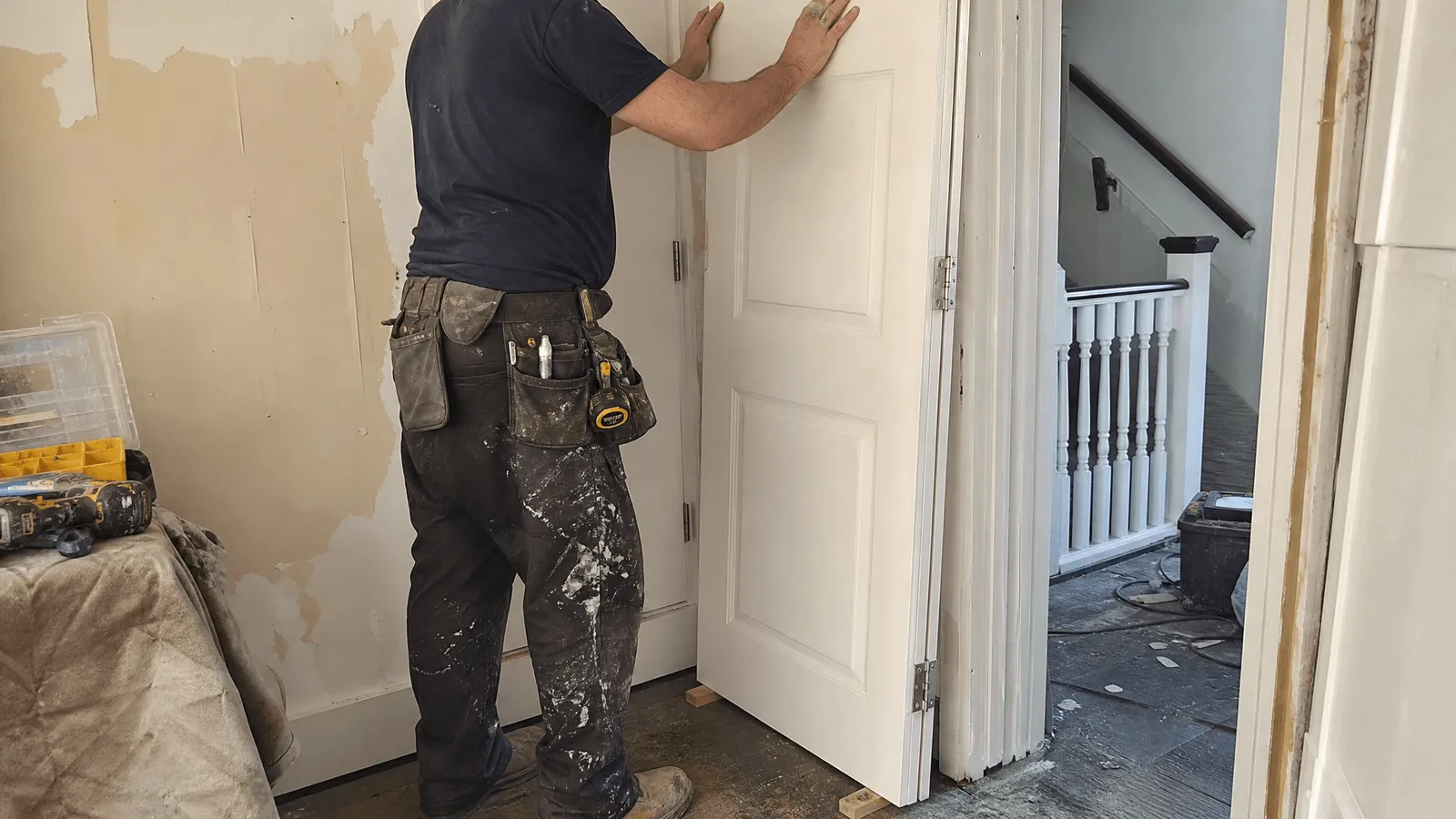
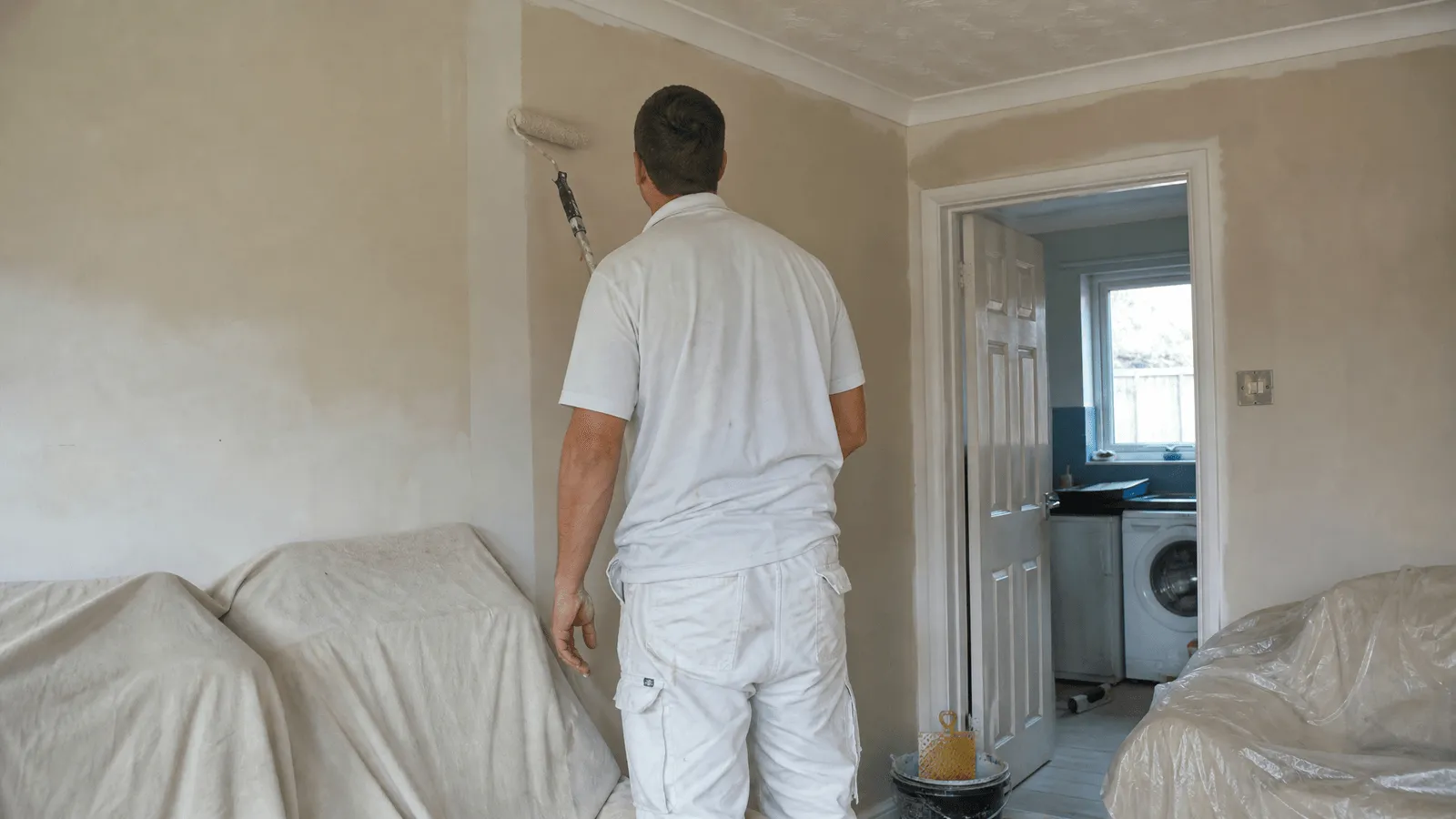
Landlords tend to catch up on small jobs in the gap between tenants. Sticking doors, damaged skirting, loose handles, worn sealant, scuffed paintwork, fitting shelves, hanging curtain poles and putting together flat pack furniture all fit here. We can quote several of these together, so one visit covers a whole list rather than a string of separate call-outs. Our property maintenance and landlord repairs service is set up for exactly this kind of list.
Jobs We Pass On to a Specialist
We’d rather be straight about this. We don’t take on electrical work, gas work, plumbing repairs, locksmith jobs or rubbish removal. For a gas boiler fault, call a Gas Safe registered engineer. For wiring, call a qualified electrician. For a burst or leaking pipe, call a plumber. Tenants should report these to the landlord or agent first, since they normally fall to the landlord.
Key Takeaways
- Landlords are responsible for the structure, exterior and essential services such as heating, hot water and sanitation.
- Landlords also carry safety duties, including gas safety and working smoke and carbon monoxide alarms.
- Tenants look after day-to-day care and damage they cause beyond normal wear and tear.
- Always report problems in writing and keep photos.
- Check your tenancy agreement and GOV.UK for the official position.

Frequently Asked Questions
Generally, the tenant is responsible for damage they or their visitors cause beyond normal wear and tear. A landlord may seek the cost from the tenant or, where appropriate, the deposit. Disputes depend on the agreement and evidence, so check GOV.UK for the official position.
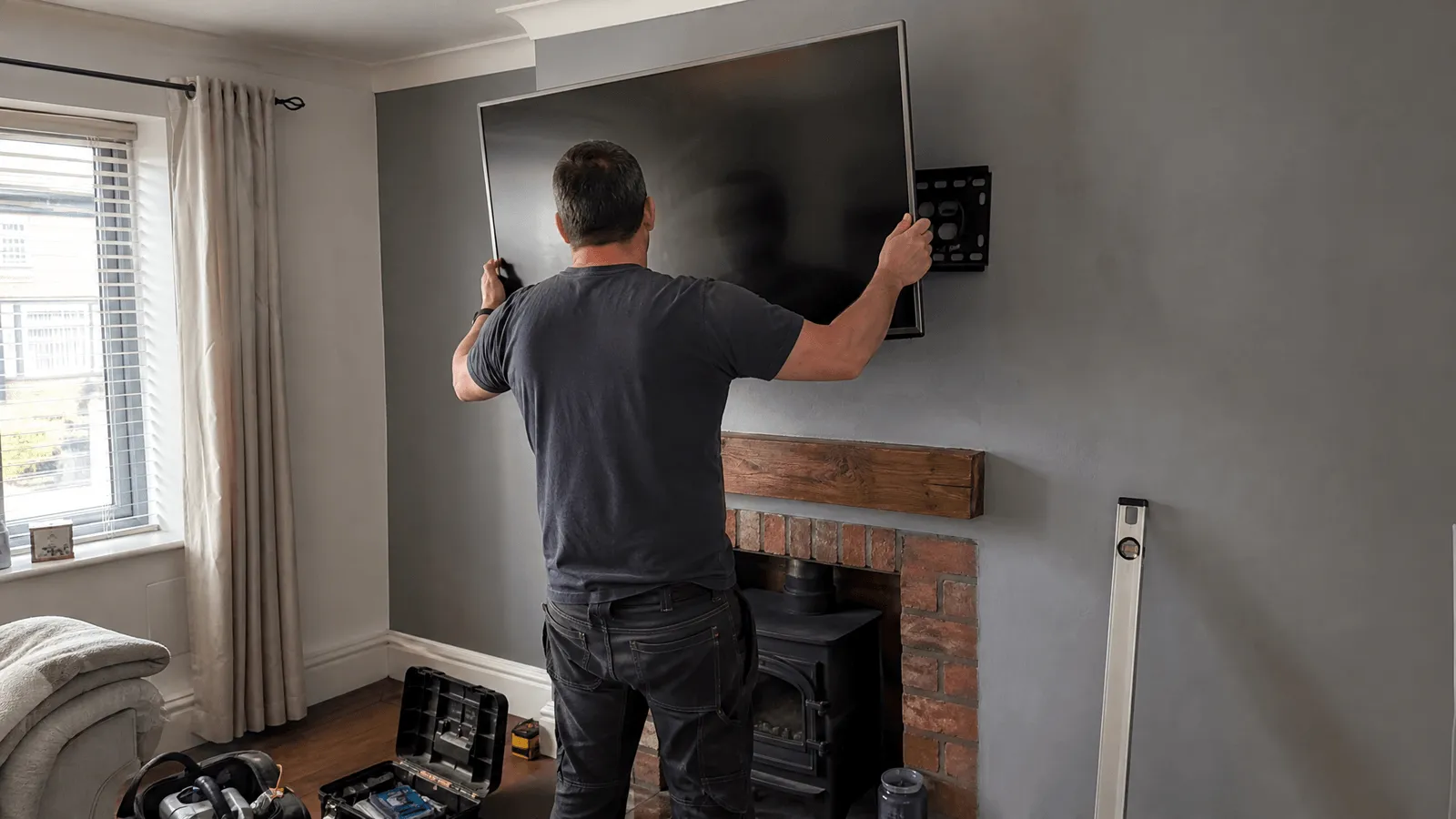
Check your tenancy agreement and ask your landlord for written permission first. Drilling into walls usually counts as altering the property, and you may be asked to make good the holes when you leave. We can mount TVs and talk through the options before any drilling.
It depends on who owns the boundary, which is often shown in the title deeds, and on what the tenancy says. A tenant should tell the landlord about a damaged panel. Neighbours can usually agree between themselves how to deal with a shared boundary. [Call 0121 330 2052](tel:+441213302052) to talk through your list of small jobs, and we'll quote them together.
Jobs we can do for you
Got a list of small jobs?
Send it over by phone or the form and we will tell you what we can do in one visit.