Can You Wall Mount a TV in a Rented Flat? A Birmingham Guide
Thinking of wall mounting a TV in a rented flat? Learn about landlord permission, deposits and alternatives, plus how TV Wall Mounting in Birmingham works.
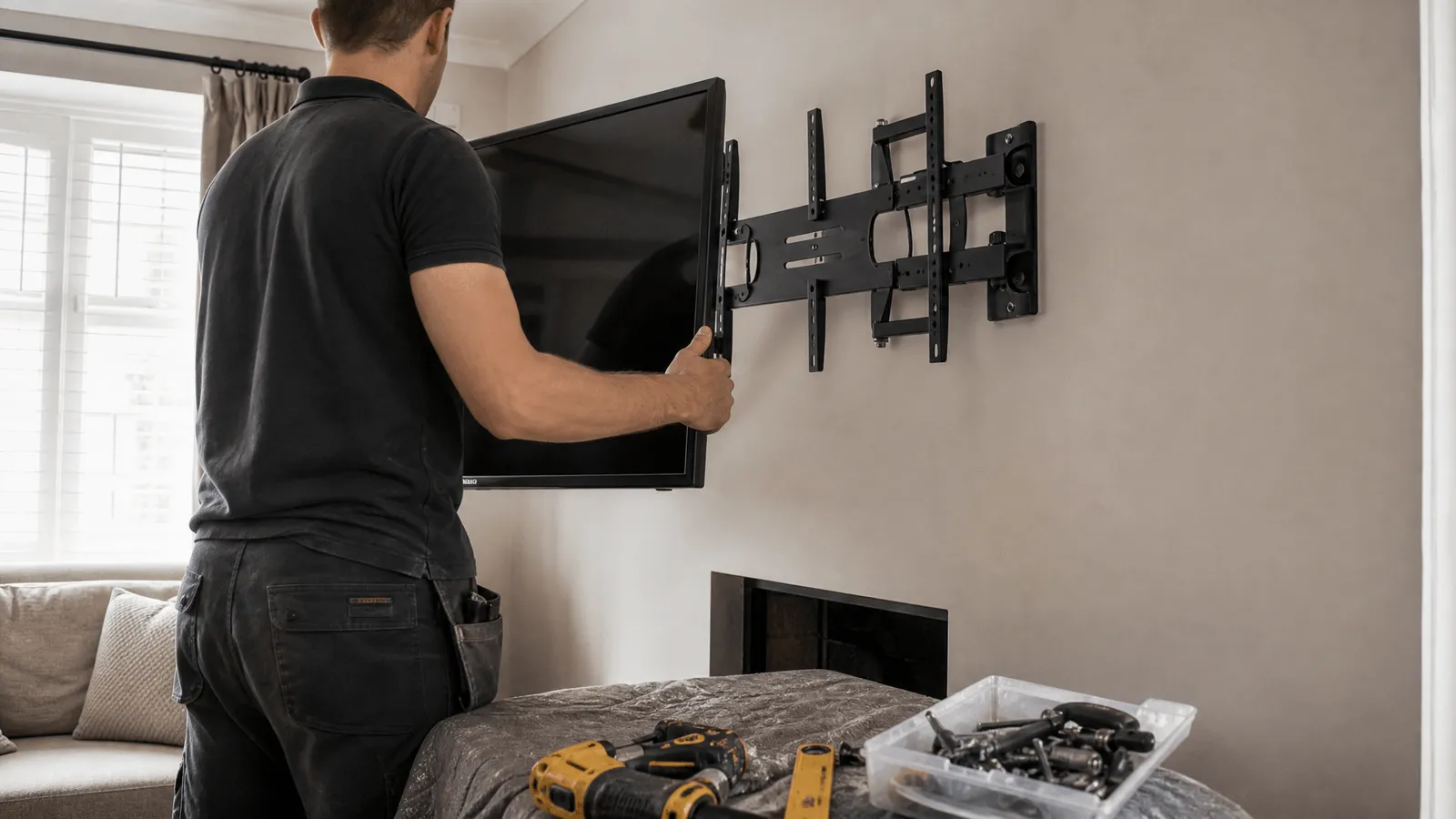
Your TV is sitting on a wobbly unit, the cables are everywhere, and you keep putting off the drill because it’s not your wall. We get it. At Thompson’s - Local Handyman Services l Odd Job Man, we’re a Birmingham B6 handyman, and we’re available Monday to Friday, 9am to 9pm, including evening visits. To wall mount a TV in a rented flat, you generally need your landlord’s permission first. This guide explains how to ask, what to expect, and what to do if the answer is no. To talk it through, call 0121 330 2052.
Do you need your landlord’s permission to drill into the wall?
Check your tenancy agreement first, because most agreements say something about alterations or fixings. If yours says nothing, ask anyway. Drilling holes changes the property, and a quick written yes from your landlord or letting agent protects you later.
Many agreements ban alterations without consent, and a few specifically mention picture hooks or wall fixings. Silence in your agreement doesn’t automatically mean you can drill. For the official position on tenant and landlord rights, GOV.UK is the place to check. We can’t give legal advice, but we can tell you what the physical job involves so you can describe it properly.
When you ask, keep it simple and put it in writing (email or text is fine):
- Say which wall and roughly where the TV will go.
- Mention how many fixing holes there will be.
- Offer to fill and make good the holes when you move out, if your landlord wants that.
Landlords tend to say yes more readily when the request is specific and tidy.
What happens to your deposit if you put up a bracket?
Could a few screw holes cost you money at the end of a tenancy? They could. Landlords can only make fair deductions from a tenancy deposit, and the usual dividing line is between damage and fair wear and tear. Holes made without permission are the sort of thing that can cause a dispute. Holes made with written permission, and neatly filled afterwards, are much less likely to.
Your deposit should be held in a government-approved protection scheme, and those schemes publish guidance on how disputes are handled. GOV.UK explains the rules for England and links to the schemes. Read that before you decide, because we can’t tell you how a particular dispute would be decided.
Practical steps that help:
- Get permission in writing before any drilling.
- Take dated photos of the wall before and after.
- Keep hold of the bracket details in case your landlord asks what was fitted.
- Agree in advance who fills the holes when you leave.
How does the wall affect the job?
Everything starts with the wall, and it’s the part we look at first. A bracket needs solid fixings, and the right fixing depends on what’s behind the surface. Plasterboard, solid brick and block all call for different methods. Get the basics right first, because a heavy TV on the wrong fixing is how screens end up on the floor.
You can mount a TV on a plasterboard wall, but the fixings must suit the weight, and often that means finding a stud or using proper heavy-duty plasterboard fixings. The screws that came in the box won’t do. That’s why our TV Wall Mounting service starts with checking the wall and the TV’s weight before choosing how to fix it. We’ll tell you plainly if a wall isn’t suited to a particular bracket.
Flats bring their own questions, so ask your landlord or agent about what’s inside the wall. Some walls are shared with neighbours or have pipes and cables running through them. We’d want to know about anything concealed before drilling, and if there’s doubt, we’ll say so and suggest you check with the landlord.
What if the answer is no?
Plenty of people hear no, and you still have options that don’t involve drilling:
- A floor-standing TV stand. A pole or pedestal stand holds the screen at eye level with no wall fixings at all.
- A sturdy TV unit or console. It sorts out the wobble and gives the cables somewhere to go.
- A bracket that fits a different spot. Your landlord might refuse one wall but accept another, such as a stud partition rather than a decorative feature wall.
Moving into a new place? Ask about wall fixings before you sign, not after. Landlords with a flat between tenancies could also have mounting points put in properly, so tenants aren’t tempted to improvise.
We cover Birmingham, including Solihull and Sutton Coldfield. If you’ve got a TV to mount plus a few other bits and pieces, such as a shelf that needs putting up or a door that sticks, we can quote the lot together. And if a job needs an electrician or another trade, we’ll say so and point you in the right direction.
Key takeaways
- Check your tenancy agreement, then ask your landlord in writing before drilling.
- Be specific in your request, and offer to make good the holes when you leave.
- Deposit disputes usually turn on damage versus fair wear and tear, so see GOV.UK for the official guidance.
- Wall type decides the right fixings, so get it checked before any bracket goes up.
- If drilling isn’t allowed, a freestanding stand is a tidy alternative.

Frequently Asked Questions
Usually yes, but only with your landlord's agreement. Check your tenancy agreement for rules on alterations and ask in writing before you drill. If they refuse, a floor stand or TV unit avoids any holes. GOV.UK has the official guidance on tenant and landlord responsibilities.
It depends on the tenancy agreement. Many require permission first, and drilling without it could lead to a dispute. Ask in writing, say where and how many holes, and offer to fill them on leaving. We can't give legal advice, so check GOV.UK if you're unsure.
It can, if the landlord considers the holes to be damage rather than fair wear and tear. Written permission, before-and-after photos and neat filling all help. Your deposit should be in a government-approved scheme, and GOV.UK explains how disputes are handled. [Call 0121 330 2052](tel:+441213302052) to talk through your TV Wall Mounting job, or to get a quote for the whole list of small jobs.
Jobs we can do for you
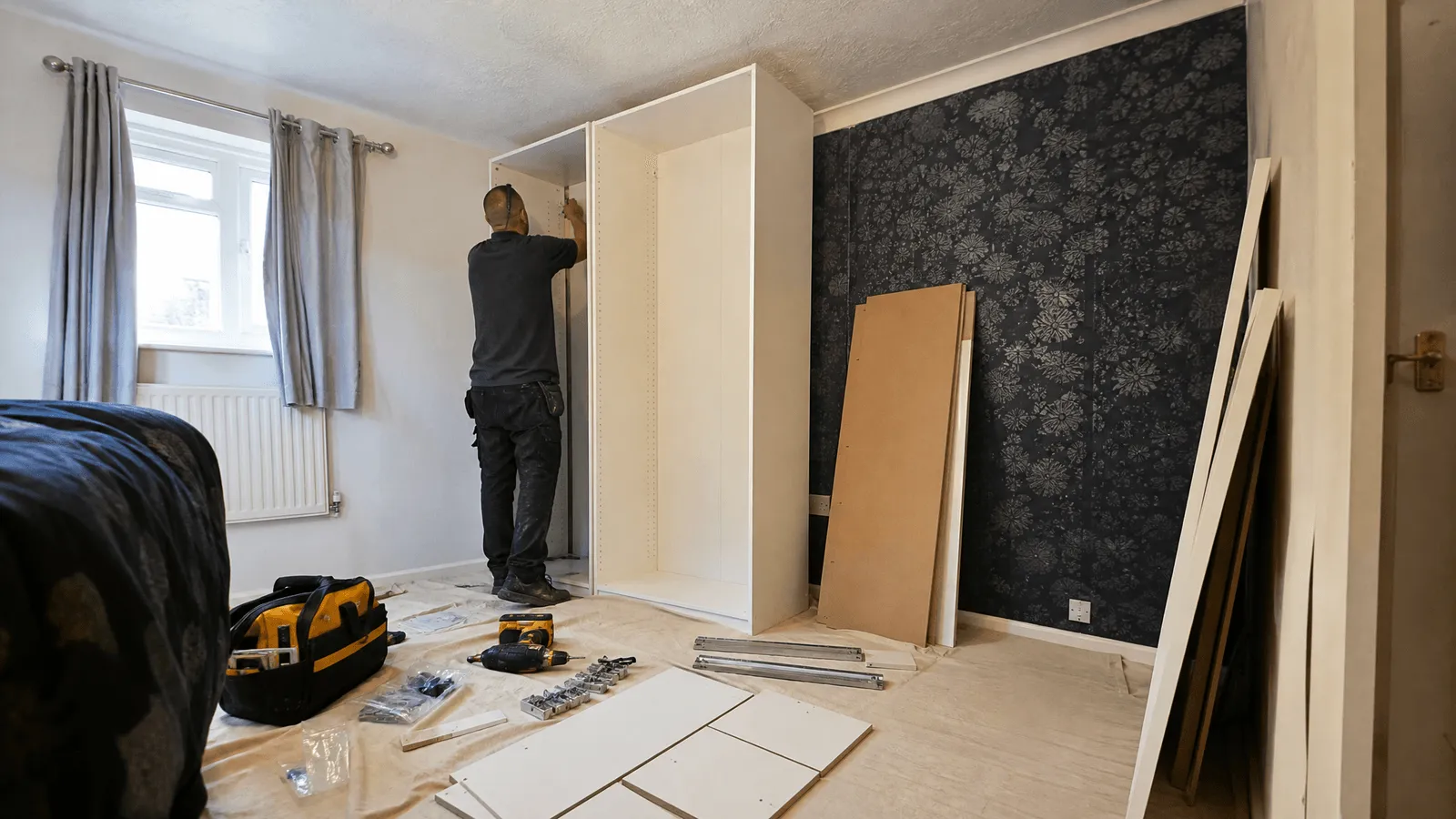
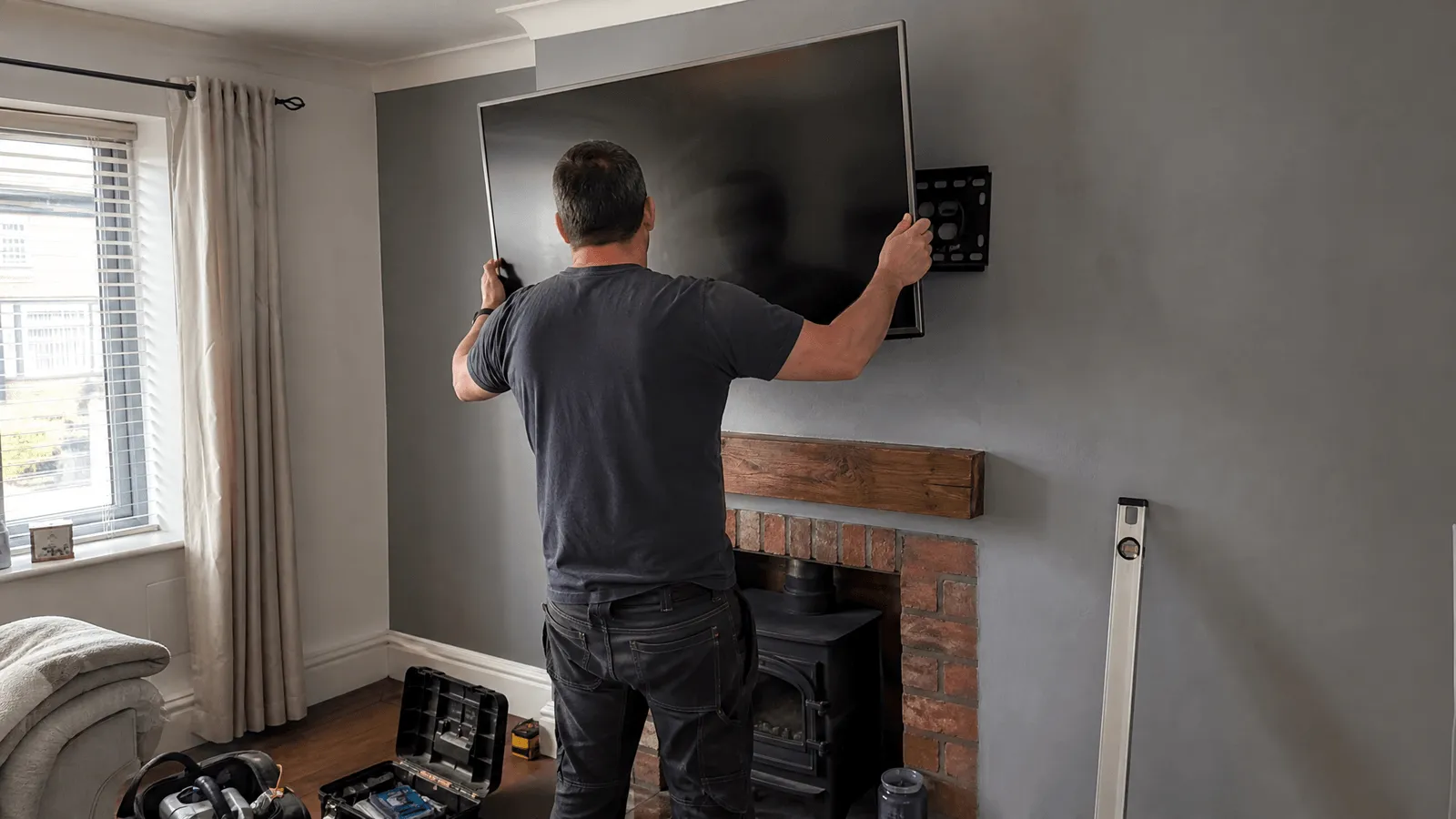
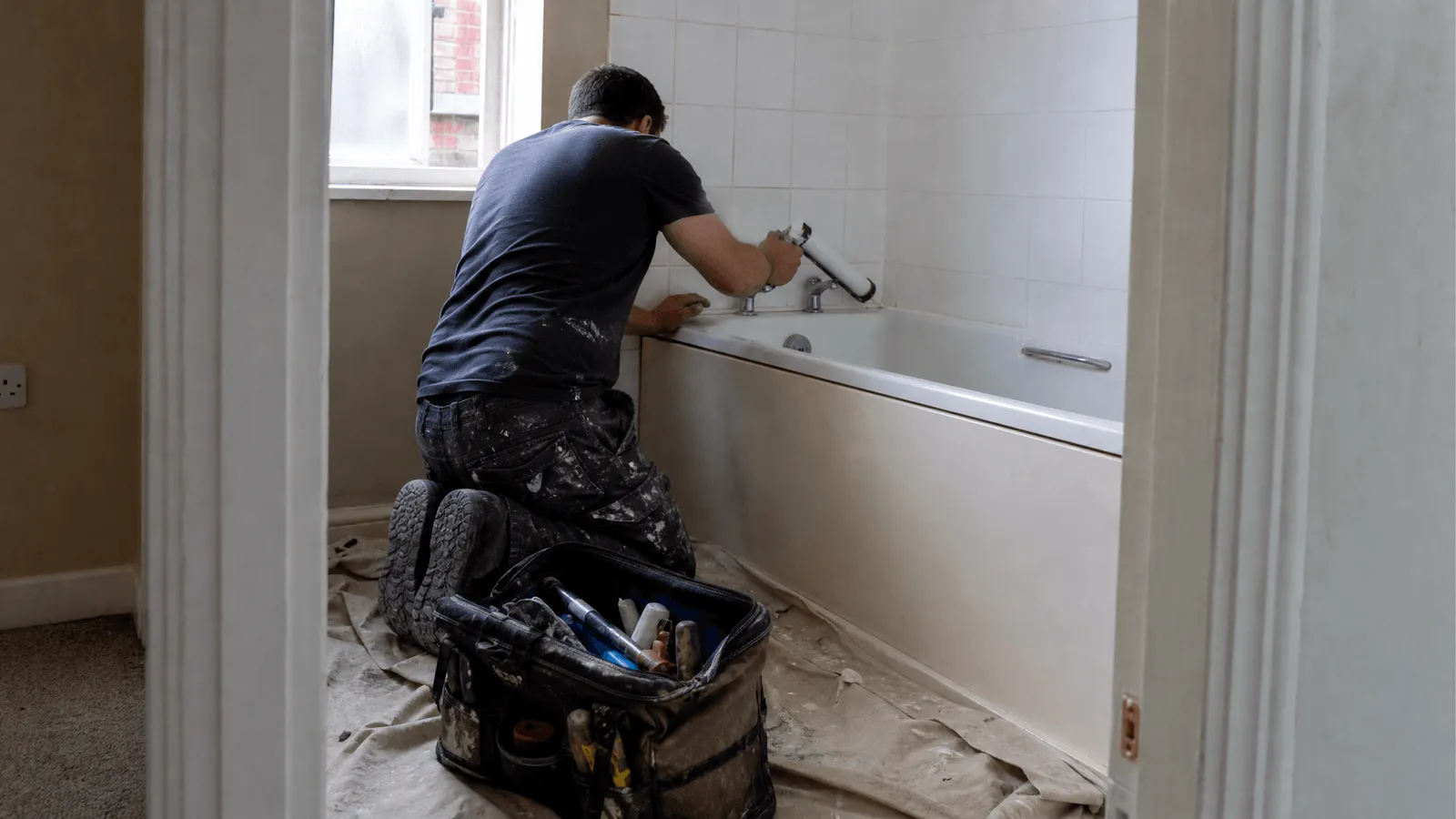
Got a list of small jobs?
Send it over by phone or the form and we will tell you what we can do in one visit.